
4,700+ sold · 100% feedback · US-based
White Poplar veneer is the quiet workhorse of the veneer world. It is pale, clean, and almost featureless, with a soft creamy-white color and a fine, straight grain that runs true down the sheet. Makers reach for it when they want a smooth, even surface to paint, dye, or hide behind a showier face wood. If you need honest, affordable poplar veneer sheets that behave, this is it.
What is white poplar veneer?
Most veneer sold as "poplar" in North America comes from the tulip poplar tree (Liriodendron tulipifera), also called yellow poplar, tulipwood, or whitewood. The palest, whitest sheets are cut from the sapwood, which is where the "white poplar" name comes from. It is a true American hardwood, but a soft and light one, which is exactly why it is so easy to use.
This white poplar wood veneer has been a classic secondary and substrate wood for generations. Cabinetmakers used it under fine face veneers, inside drawers, and anywhere a stable, low-cost core was needed. It still fills that role today, and it shines whenever you plan to paint or dye the finished piece.
Quick facts
Botanical name: Liriodendron tulipifera (tulip poplar / yellow poplar)
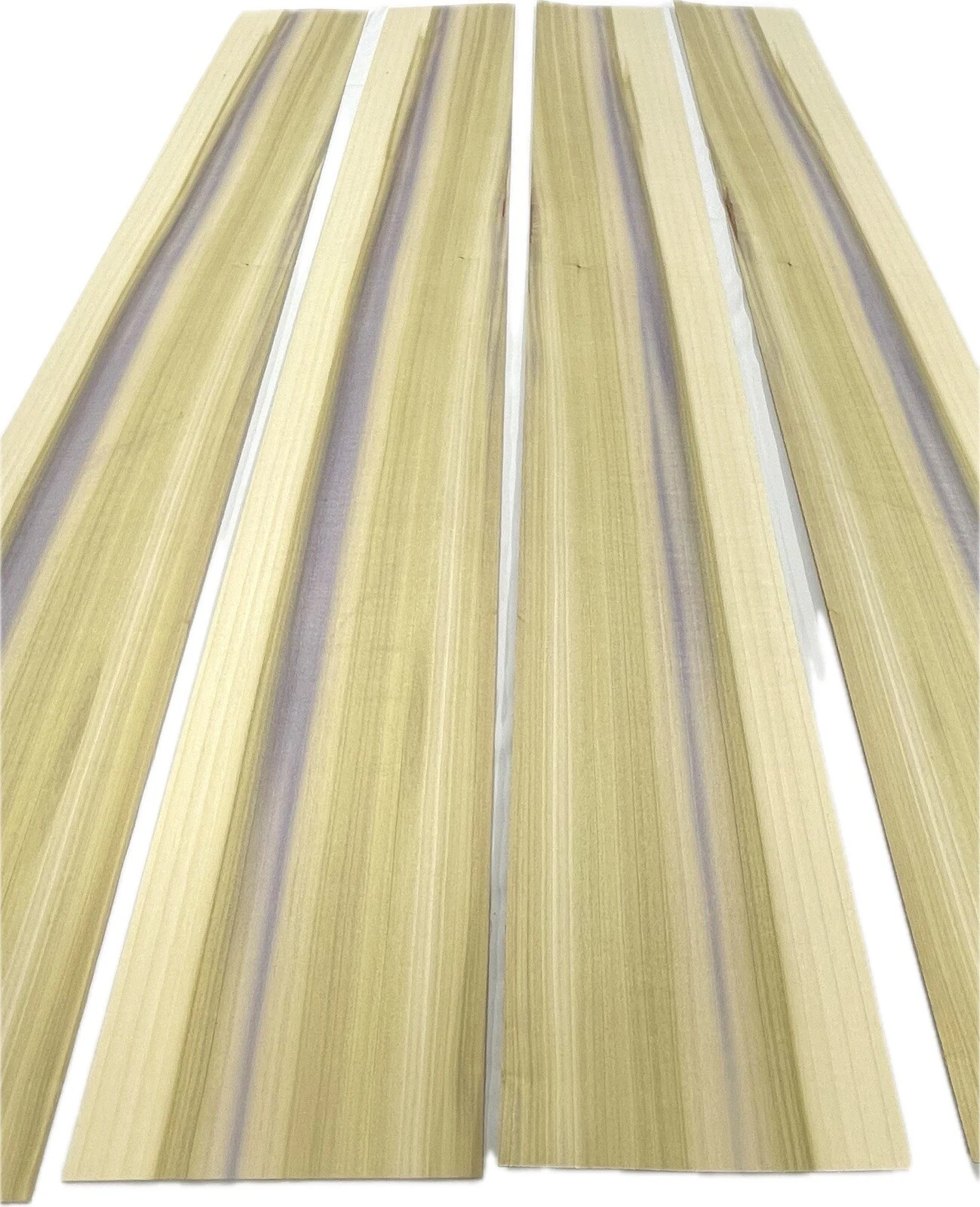
Color: Cream-white, sometimes with green, grey, or purple streaks
Grain: Straight grain, fine and even, plain figure
Janka hardness: ~540 lbf (soft for a hardwood)
Workability: Very easy; a favorite backer and substrate wood
Typical sheets we stock: Small maker-friendly sizes, ready to ship
Appearance and figure
White Poplar veneer is the quiet workhorse of the veneer world. It is pale, clean, and almost featureless, with a soft creamy-white color and a fine, straight grain that runs true down the sheet. Makers reach for it when they want a smooth, even surface to paint, dye, or hide behind a showier face wood. If you need honest, affordable poplar veneer sheets that behave, this is it.
Working and finishing tips
White poplar is a joy to cut and glue. It is soft and light, so a sharp razor knife or a scissors slices it cleanly, and it presses flat without a fight. Standard PVA glue, contact cement, or a vacuum press all work well.
Because it takes color so evenly, this is a top pick for painted and dyed projects. Paint lays down smooth and furniture-like after a light sanding, and dye soaks in with a clean, uniform tone. That even uptake is the whole reason makers keep it on the shelf.
### Honest cautions
We would rather you know the quirks up front:
- It dents. Poplar is soft, so it marks more easily than maple or ash. Handle finished pieces with a little care.
- It can fuzz when cut. The soft fibers raise a fuzzy edge if your blade is dull. Use a fresh, sharp blade and light passes for a crisp cut.
- Green streaks fade. Those pretty green tints slowly shift toward brown under UV light. If the rainbow color is the whole point, keep the piece out of direct sun or seal it with a UV-blocking finish.
- It blotches under stain. Clear stain often goes patchy on poplar. For an even result, condition the wood first, or better yet, lean into what poplar does best and paint or dye it instead.
Best uses
Reach for white poplar veneer when the finish carries the look:
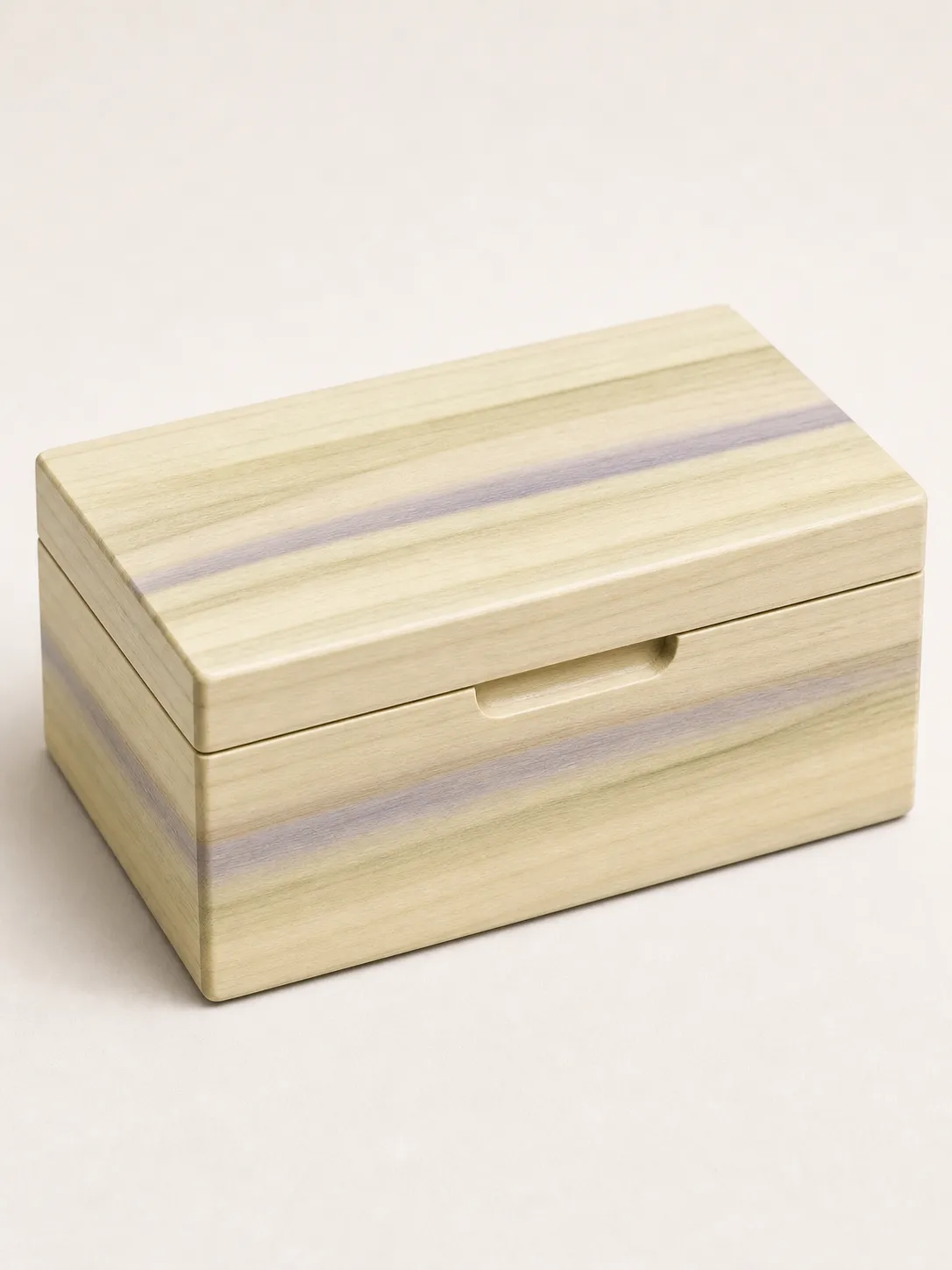
- Painted furniture, boxes, and cabinetry
- Dyed and colored panels
- Backer and substrate under a face veneer
- Drawer sides, interiors, and hidden structure
- Laser and CNC cutting, where its soft, even grain cuts clean
- Model building and prototyping
It pairs naturally with brighter, harder woods. See Maple for a whiter, harder face, Ash for bold straight grain, or Red Gum for warmer color. If you want color without the fade, Dyed Veneer gives you poplar's smooth base already tinted.
Sustainability and sourcing
Tulip poplar is a fast-growing, abundant North American hardwood, one of the most sustainable species we carry. Slicing it into thin veneer stretches every board a long way, so a single log covers far more surface than solid lumber ever could. That is the WoodCycle idea in a nutshell: make the most of the wood.
Available now on eBay
Every sheet below is a live WoodCycle listing. We are US-based and ship fast, usually within one business day.
Frequently asked
Is poplar veneer good for painting?
Yes. White poplar is one of the best veneers for paint. Its straight grain and even surface take paint smoothly and sand to a furniture-like feel.
Why is it called white poplar?
The name comes from the pale, creamy-white sapwood of the tulip poplar tree. It is among the lightest-colored domestic hardwoods.
Does poplar veneer stain well?
Clear stain can blotch on poplar. Condition the wood first for an even tone, or dye and paint it instead, which is what poplar does best.
Will the green color last?
The green and purple streaks in rainbow poplar slowly fade toward brown under UV light. A UV-blocking finish or keeping the piece out of direct sun helps them last.
Need another species for the project?
Browse the full species library or shop live listings on eBay.