
4,700+ sold · 100% feedback · US-based
Why veneer works at small scale
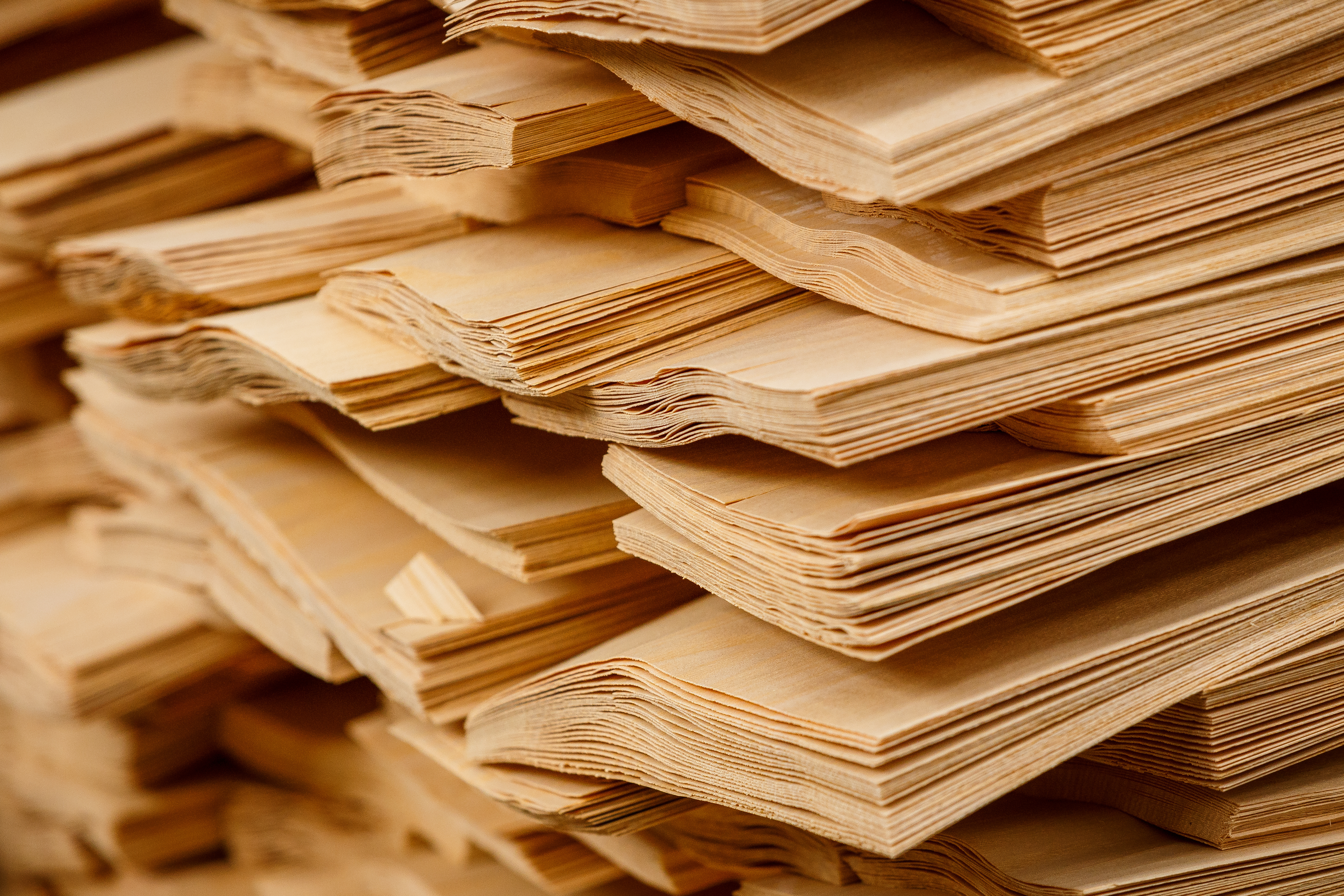
Solid wood strips can look too heavy in a model. Veneer keeps the visible surface real while staying thin enough to layer, bend, and trim with a knife. It is especially useful where a visible grain surface matters but the part does not need structural thickness.
For ship decks and architectural panels, choose straight grain and lighter color. For display bases and cabin details, figured veneer can add character without overpowering the model.
Good species for model work
Maple, ash, white poplar, birch-like pale veneers, walnut, sapele, and teak all suit scale projects. Maple and ash read clean and bright. Walnut and sapele add warmth. Teak gives a nautical feel when you want a deck-like tone.
Cutting and bending tips
Cut with a fresh blade in several light passes. Mist or steam a test strip before bending tight curves, and clamp it around a form while it dries. On tiny parts, avoid heavy sanding. A light pass with fine paper is enough before finish.
Available now on eBay
Every sheet ships from the USA. We post real photos, so the figure you see is the figure you get.
Frequently asked
Is veneer good for model ship decks?
Yes. Thin straight-grain veneer can be cut into deck strips or panels while keeping the model light.
Can veneer bend around model curves?
Gentle curves are usually fine. For tighter curves, soften a test strip with moisture and clamp it around a form.
What glue should I use for model veneer?
PVA works for most wood-to-wood model parts. Use thin, even glue and light clamping pressure.
Need a matched size or quantity?
Ask about wholesale and custom cuts, or grab live sheets from the eBay store.