
4,700+ sold · 100% feedback · US-based
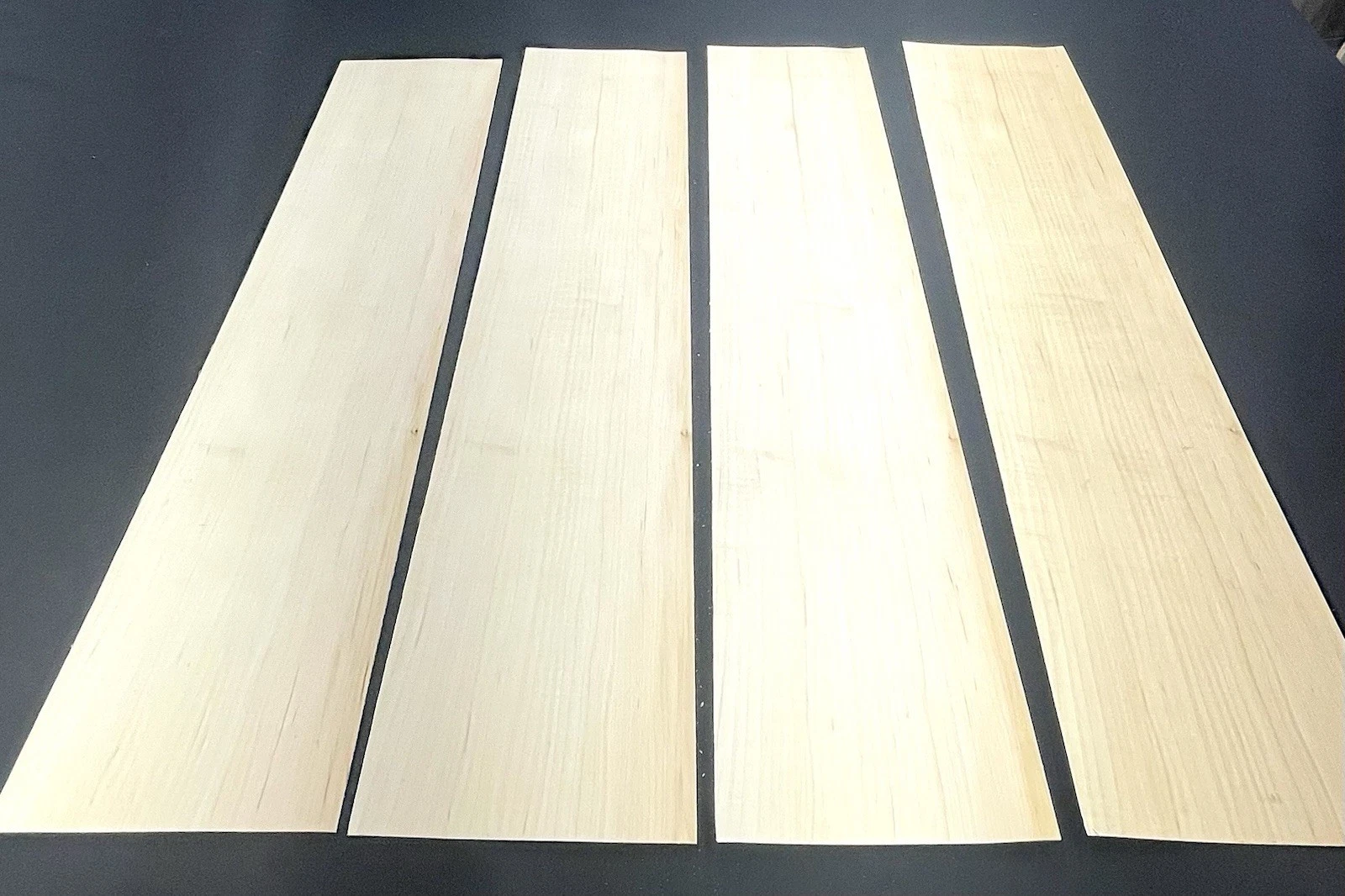
Maple is the clean, bright backbone of American woodworking. Our maple veneer runs a creamy white with a smooth, close grain and a soft glow under a clear coat. It is the wood you reach for when you want light, calm, and consistent, and it is the canvas the wild figured maples are cut from. If you want real wood veneer that reads modern and pairs with anything, maple veneer sheets are hard to beat.
We cut maple wood veneer sheets into small, maker-friendly sizes and photograph the stock, so the grain you see is the grain you get.
What is maple veneer?
Maple veneer is a thin slice of real wood cut from Hard maple, or "rock" maple, botanical name Acer saccharum. We note when a lot is soft maple (red or silver maple), which is lighter and a touch easier to cut.. It is used to bring the look of the species across a much larger surface than solid stock would allow, and it keeps more of each log in play for real projects. This stock traces back to its native range.
Quick facts
Color: Cream to near-white sapwood, sometimes with a faint golden or reddish tinge. Maple sells on its pale, even background, which is why the sapwood, not the heartwood, is the prized part.
Figure: Straight and quiet in plain flat cuts; wild in the figured grades, birdseye, curly, and quilted.
Janka hardness: about 1,450 lbf for hard maple, dense, stiff, and durable.
Cuts: Flat cuts (plain) for that clean, straight look; quarter and rotary cuts for figure.
Sheet sizes: small craft and sample sizes, ready to ship.
Appearance and figure
Plain maple is prized for what it does not do: no loud grain, no color surprises, just a smooth pale field that lets your joinery and finish do the talking. That calm is exactly why designers use it for light, contemporary furniture and cabinet interiors.
But maple also grows some of the most sought-after figure in the wood world. Birdseye maple scatters tiny swirling "eyes" across the surface, a rare pattern nobody can reliably grow on purpose. Curly maple (also called tiger, flame, or fiddleback) throws shimmering cross-grain ripples that seem to move as you walk past. Quilted maple blooms in soft, three-dimensional blisters that look like light on water. If you came here for the drama, start with our sheets of figured maple and birdseye maple.
[See What's In Stock on eBay →]
Working and finishing tips
Maple is a pleasure to press and a joy to finish, with one honest catch we cover below. A few pointers:
- Cutting: Its density means a sharp blade matters. Score with a fresh razor knife and take light passes; a dull edge crushes rather than cuts.
- Gluing: A quality wood backer sheet keeps thin maple flat and crack-free during glue-up. PVA (wood glue) works for cauls and presses; contact cement suits curved and vertical work. Wood-on-wood, 10-mil paper, phenolic, and 3M peel-and-stick backers are all available, match the backer to the job.
- Finishing: Clear coats and oils bring out that soft glow beautifully. On figured maple, a wiped-on oil or a dye makes the ripple and eyes pop three-dimensionally.
Best uses
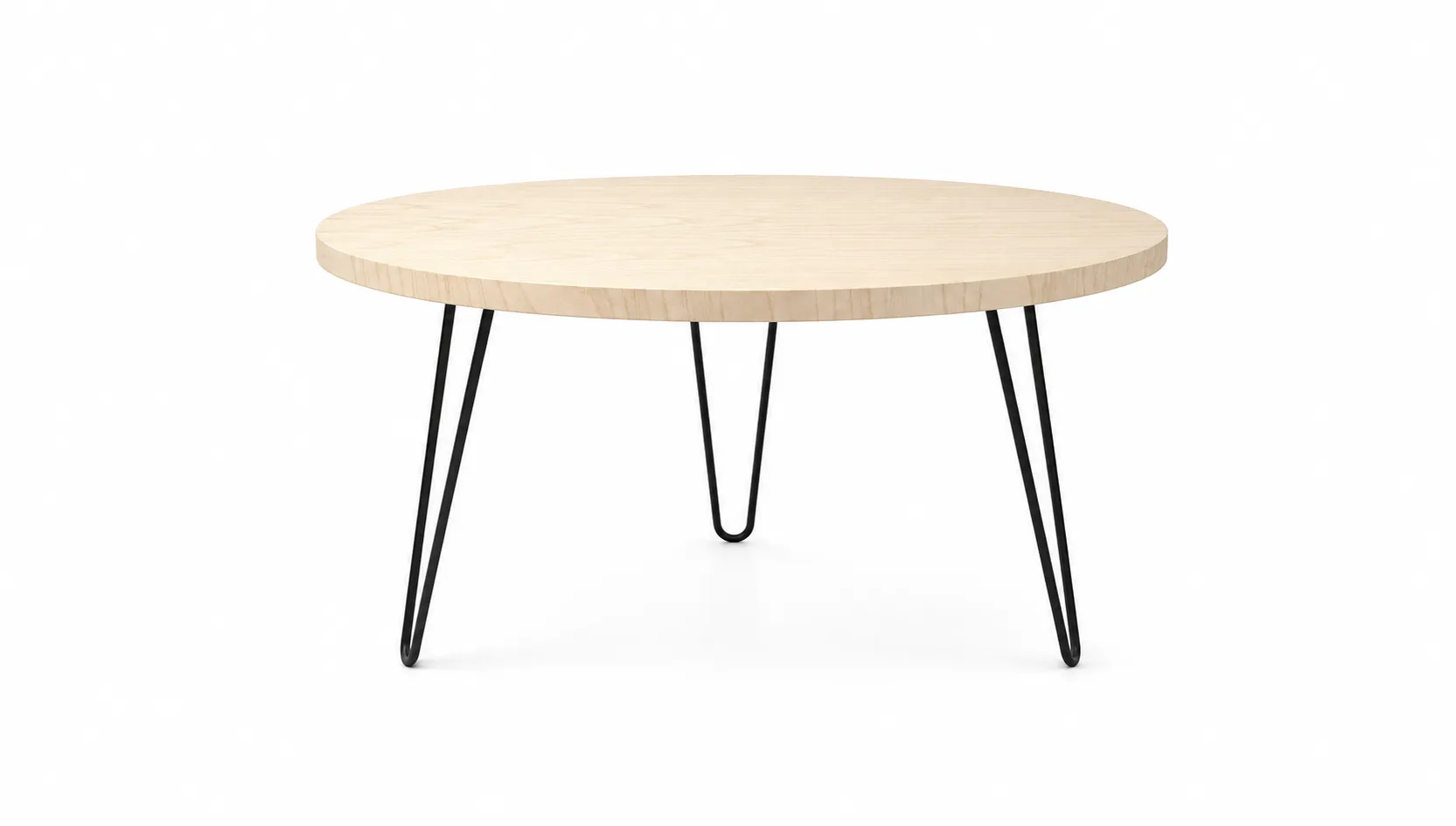
Maple's clean look and hardness make it a workhorse: light contemporary furniture, cabinet faces and interiors, drawer boxes, cutting-board accents, and shelving. The figured grades go where you want a showpiece, guitar tops, dashboards, jewelry boxes, and marquetry. See our guides on veneer for furniture and cabinetry and veneer for guitars and luthiers.
Sustainability and sourcing
Using veneer makes each log go further by turning a small amount of real wood into much more usable surface area.
Available now on eBay
Every sheet below is a live WoodCycle listing. We are US-based and ship fast, usually within one business day.
Frequently asked
What is maple veneer used for?
Light contemporary furniture, cabinet faces and interiors, drawer boxes, shelving, and, in the figured grades, guitar tops, dashboards, and jewelry boxes.
Can I stain maple veneer like real wood?
You can, but maple blotches easily. Sand to 150 grit and condition first with a pre-stain wood conditioner so it takes color evenly. Most makers prefer maple under a clear finish.
What is the difference between hard and soft maple veneer?
Hard maple (*Acer saccharum*) is denser, whiter, and about 25% harder. Soft maple (red or silver maple) is a little easier to cut and slightly grayer. Both make excellent, affordable veneer.
Does maple veneer move with humidity?
Yes. Maple expands and contracts with seasonal humidity, so acclimate your sheets to the shop and glue them to a stable substrate to keep the panel flat.
What backer should I choose for maple veneer sheets?
For flat panels, a paper or wood backer keeps thin maple crack-free. Peel-and-stick (3M PSA) is easiest for small jobs; phenolic and wood-on-wood suit doors and heavy use.
Need another species for the project?
Browse the full species library or shop live listings on eBay.