
4,700+ sold · 100% feedback · US-based
Mahogany says "fine furniture" before you finish the word. Our mahogany wood veneer sheets bring that warm, reddish brown glow to boxes, guitars, and cabinets. And they come in maker sizes at a fair price. Want the classic real wood look without milling a board? Start here.
What is mahogany veneer?
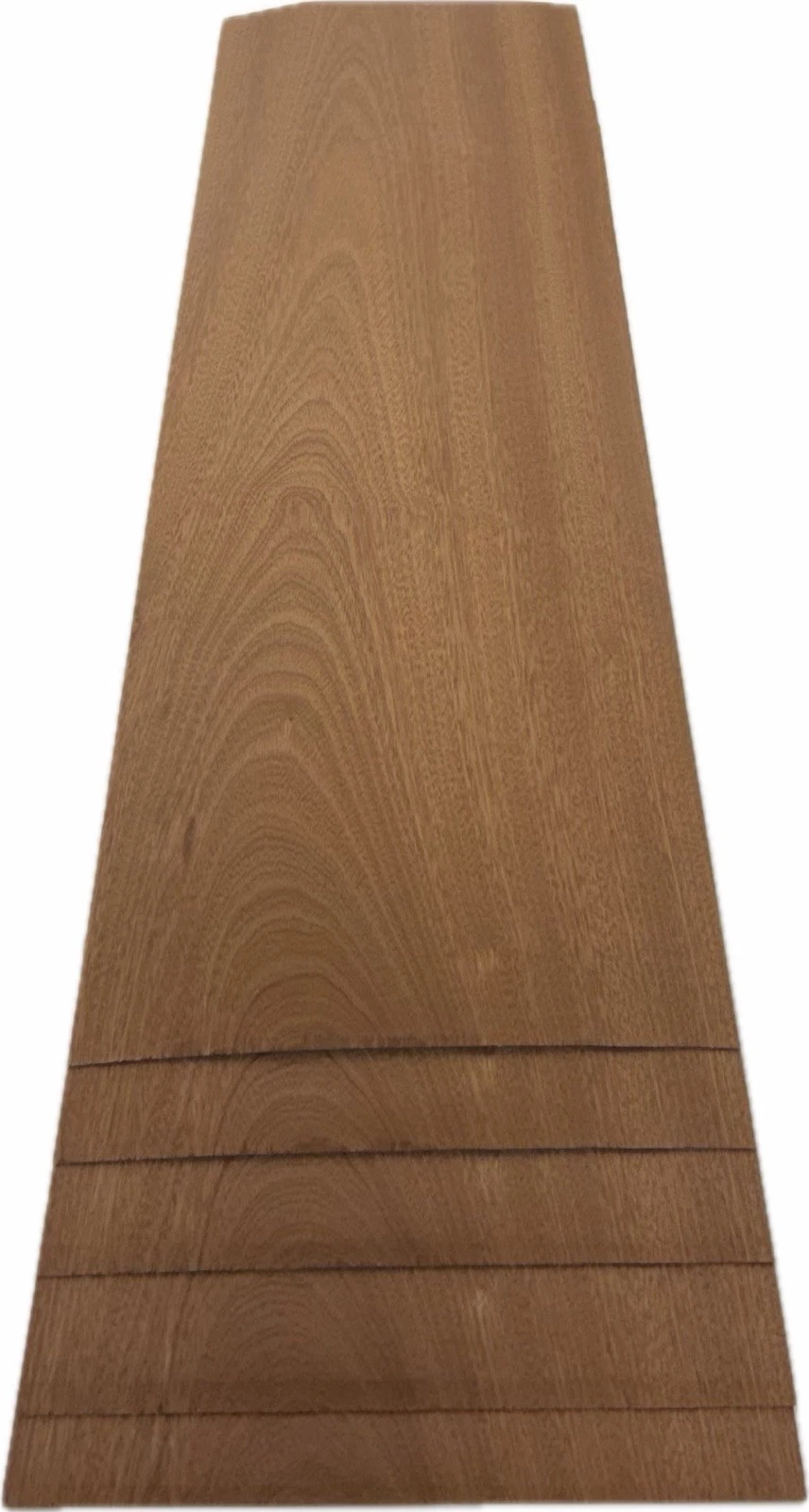
"Mahogany" is a small family of tropical woods. It pays to know which one you buy. WoodCycle mahogany veneer sheets are cut from African mahogany (Khaya) unless a listing says so. Khaya is the honest, high quality mahogany that most veneer comes from today. It gives you that reddish brown color. And it has the open, ribbon-like grain makers love.
Here is the difference, plainly.
- Genuine mahogany, Swietenia macrophylla. This is the old "true" or american mahogany. It grows in Central and South America. It is listed on CITES Appendix II and the IUCN Red List. So trade is limited, and stock is scarce and pricey. We do not claim to sell it unless a listing says so, with paperwork.
- African mahogany, Khaya from West Africa. A close cousin in look and feel. It is not CITES-listed. And it is the go-to for mahogany veneer today. This is what we stock.
- "Sapele mahogany", Entandrophragma cylindricum. Often sold as African mahogany. But it is a different wood with its own ribbon shimmer. We list it on its own Sapele page.
Buying real wood veneer beats solid lumber for waste. One board yields many veneer sheets. So a rare, slow-growing tree goes a lot further. That is the whole WoodCycle idea.
Quick facts
Color: Reddish brown, deepening to a richer red-brown with age and light
Grain / figure: Straight to interlocked; ribbon, crotch, and mottled figure show up on select sheets
Janka hardness: African mahogany ~1,070 lbf; genuine mahogany ~800-900 lbf
Typical thickness: Raw veneer about 0.6 mm; paper-backed and peel and stick run a touch thicker
Workability: Excellent, a classic that cuts, glues, and finishes cleanly
Sheet sizes we stock: Small maker-friendly sheets and sample packs, sold per sheet
Appearance and figure
Fresh off the sheet, mahogany runs a light to medium reddish brown. Give it time and light and it darkens into a deep, glowing red-brown. Think old desk, or a vintage guitar. That color shift is part of the charm. It is worth planning for, and we cover that below.
The grain is usually straight. But mahogany loves to interlock, and that is where the good stuff lives. Quartered sheets can throw a soft ribbon stripe that flips light and dark as you move past it. Crotch cuts give you a feathered, flame-like pattern. Makers prize it for tabletops and guitar headplates. Mottled and fiddleback figure shows up on the best logs. Every sheet is a little different. That is why makers reach for real wood veneer over printed lookalikes.
Buy on eBay →, browse the figure and grain in stock now.
Working and finishing tips
Mahogany is one of the friendliest veneers to work. That is a big reason it has stayed a favorite for centuries.
- Cutting: A sharp razor knife or veneer saw handles it cleanly. Score with the grain first, then across. This avoids tear-out on interlocked spots.
- Gluing: Standard veneer glues all work. Use PVA and a press, contact cement for a quick bond, or urea formaldehyde for the flattest result. Our paper-backed sheets take contact cement well. Peel and stick (3M PSA) skips the glue-up.
- Sanding: Go easy. Veneer is thin, so stop at 220 grit and let the figure do the work.
- Finishing: Mahogany drinks up oil and shellac. A clear coat or a wiped oil finish pops the ribbon and deepens the red. It does not hide the grain. A light dye can even out color across a panel.
### Honest cautions
We would rather you know the two quirks up front.
- Interlocked ribbon can tear out. On quartered and figured sheets, the grain reverses direction. So a dull blade or a heavy hand will chip it. Keep your knife sharp and take light passes. A little glue size on brittle crotch figure helps hold it together while you cut.
- Color darkens with age and light. Mahogany deepens over months, most of all in sunlight. It is a lovely change. But it means an offcut you save today will not match a fresh sheet a year from now. Cut a whole project from one batch. Then finish it evenly so the panels age together.
Best uses
Mahogany veneer sheets earn their keep anywhere warmth and class matter:
- Guitars and instruments, backs, sides, and headplates. See Veneer for Guitars & Luthiers.
- Boxes and marquetry, a rich background field that plays well with lighter inlays. See Veneer for Boxes & Marquetry.
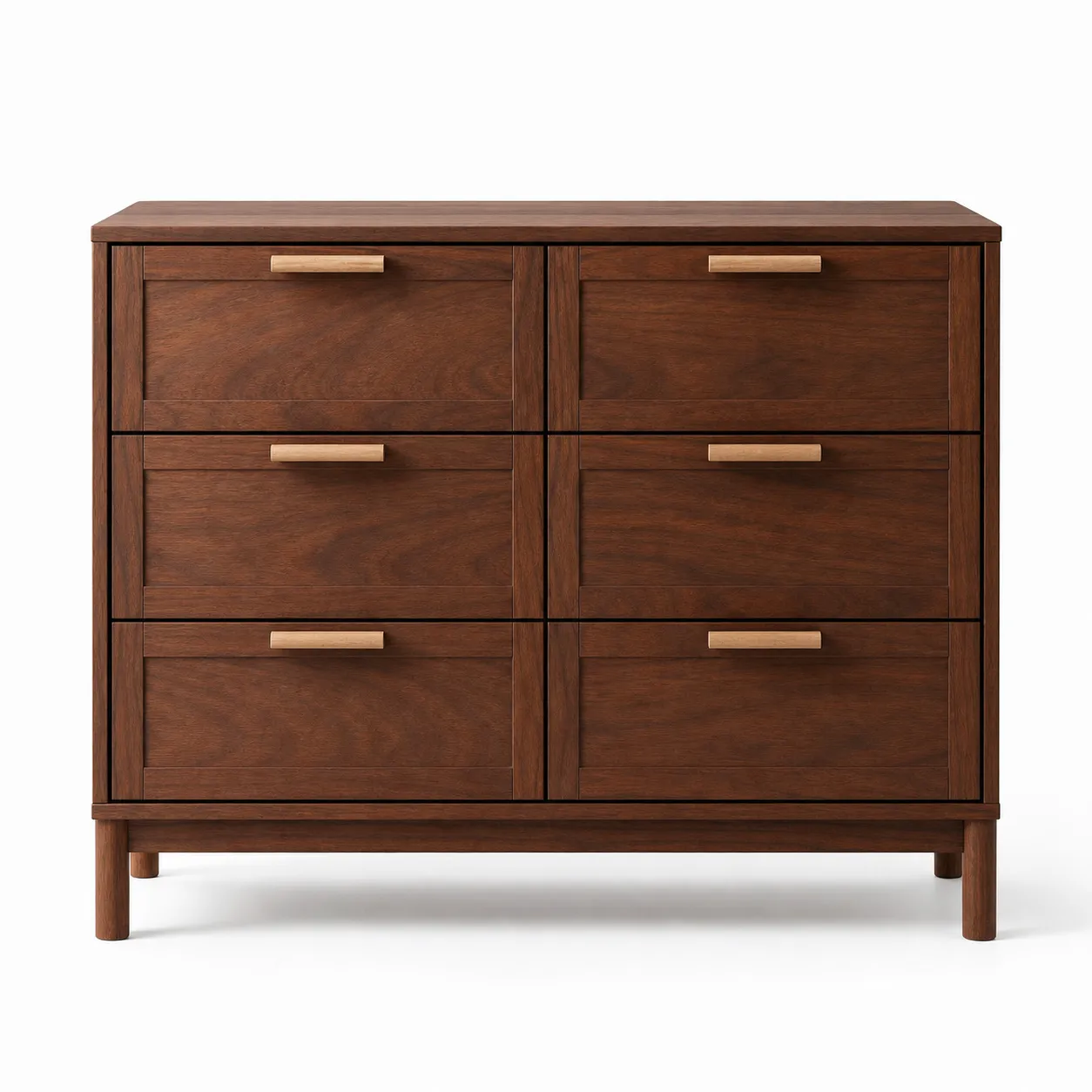
- Furniture and cabinetry, tabletops, drawer fronts, and door panels with that heirloom look.
Buy on eBay →, grab mahogany veneer for your next build.
- Sapele, the ribbon-figured African cousin, often sold as mahogany
- Sipo, utile, another close mahogany relative with a straighter grain
- Makore, pinkish brown "African cherry" with a similar warm glow
Explore more in the Wood Veneer Types pillar or head to the Shop to see everything in stock.
Sustainability and sourcing
We stock African mahogany (Khaya) because it gives you the classic mahogany look responsibly. Genuine american mahogany (Swietenia) is CITES-restricted for good reason. Wild stocks have fallen hard, so we do not push it. Thin veneer stretches every log much further than solid lumber can. That keeps rare wood in use with far less waste. It is a green claim we can stand behind.
Available now on eBay
Every sheet below is a live WoodCycle listing. We are US-based and ship fast, usually within one business day.
Frequently asked
Is WoodCycle mahogany genuine or African mahogany?
It is African mahogany (Khaya) unless a listing says genuine. It gives you the same reddish brown color and easy working. But it skips the CITES limits that make genuine Swietenia scarce.
Is mahogany veneer real wood?
Yes. Every sheet is real wood sliced thin. So it stains, seals, and ages like solid mahogany.
Can I use mahogany veneer for a guitar?
Yes. Mahogany is a classic tonewood for backs, sides, and headplates. Our sheets are sized for instrument work.
What backing options are there?
We stock raw (unbacked), paper-backed, and peel and stick (3M PSA) sheets. Raw is best for a press. Peel and stick is fastest for flat panels.
Will the color change over time?
Yes. Mahogany darkens to a deeper red-brown with age and light. Cut your project from one batch. Then finish it evenly so the pieces age together.
Need another species for the project?
Browse the full species library or shop live listings on eBay.