
4,700+ sold · 100% feedback · US-based
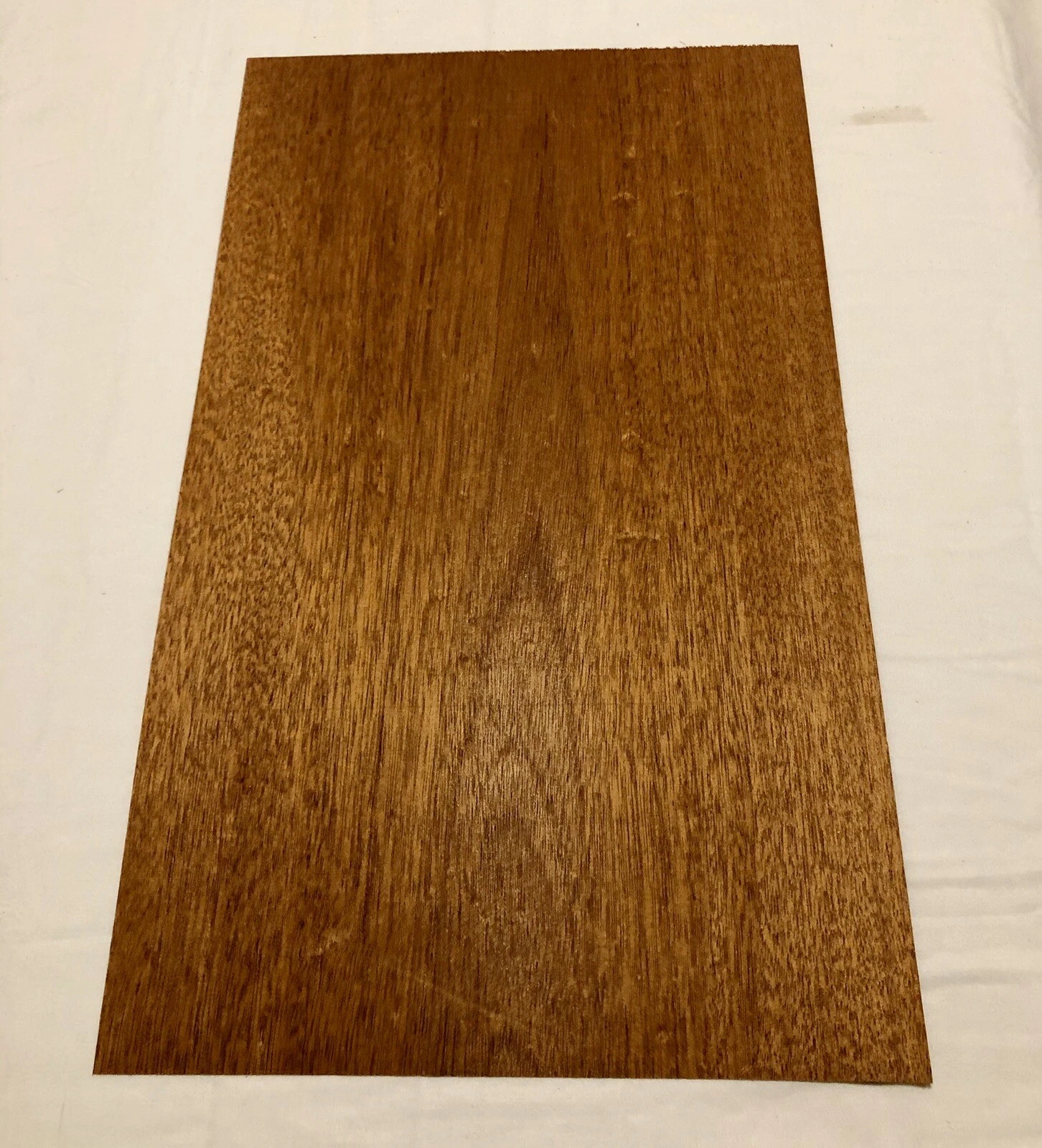
Sipo veneer is the quiet, well-behaved member of the mahogany family. Cut from the West African utile tree, it gives you the warm reddish-brown of genuine mahogany with a straighter, more even ribbon than sapele and a bit more stability once it is on your panel. If you want that classic mahogany look without the price or the fuss, sipo mahogany veneer is a smart place to land.
We stock sipo veneer in small, maker-friendly sheets. Every sheet is real wood, kiln dried, and cut for boxes, guitars, cabinet doors, and marquetry. It sands clean, glues well, and finishes to a soft, glowing sheen.
What is sipo veneer?
Sipo comes from Entandrophragma utile, a tall hardwood native to West and Central Africa. You will also see it sold as utile or sipo mahogany. It sits in the Meliaceae family, the true mahogany family, right alongside sapele and African mahogany. That family tie is why so many builders reach for it as a genuine mahogany substitute.
Because sipo is a true mahogany cousin rather than a look-alike from another family, it stains, ages, and finishes the way you expect mahogany to. The color is a soft reddish-brown that deepens and warms over time.
Quick facts
Also known as: utile, sipo mahogany
Origin: West and Central Africa
Color: reddish-brown, warms with age
Grain / figure: mostly straight, gentle ribbon stripe, occasional interlocked grain
Janka hardness: about 1,180 to 1,260 lbf
Typical thickness: roughly 0.5 mm raw veneer
Workability: good; easier and cleaner than African mahogany
We stock: small sheets, sold per sheet, ready to ship
Appearance and figure
Sipo shows a clean reddish-brown ground with a fine, even texture. Quarter-sawn sheets carry a soft ribbon stripe that shifts as the light moves across the surface. It is the same effect you see in sapele, only calmer and more uniform, which makes matching sheets across a panel much easier.
Fresh off the log, sipo can look a touch pink or pale. Give it a clear finish and a few weeks of light and it settles into a rich, glowing mahogany brown. If you have used african mahogany before, think of sipo as the same warmth with a straighter, more predictable grain.
[Buy sipo veneer on eBay →]
Working and finishing tips
Sipo is friendly at the bench. Cut it with a sharp veneer saw or a fresh knife blade, backing the cut with a straightedge. It presses flat with standard PVA or a good veneer glue, and it takes a vacuum press or cauls without complaint.
For finish, sipo loves oil and clear coats that pop the reddish tone. A thin coat of oil, or a wash coat of shellac before your topcoat, deepens the color and evens out the grain. Because it is kiln dried and stable, it stays put once glued down, with less movement than many exotics.
[Buy sipo veneer on eBay →]
Best uses
Sipo has earned its keep as a genuine mahogany stand-in for generations, so it feels right anywhere mahogany belongs:
- Boxes and marquetry, clean color and easy matching. See veneer for boxes and marquetry.
- Guitars and instruments, a warm, resonant mahogany tone. See veneer for guitars and luthiers.
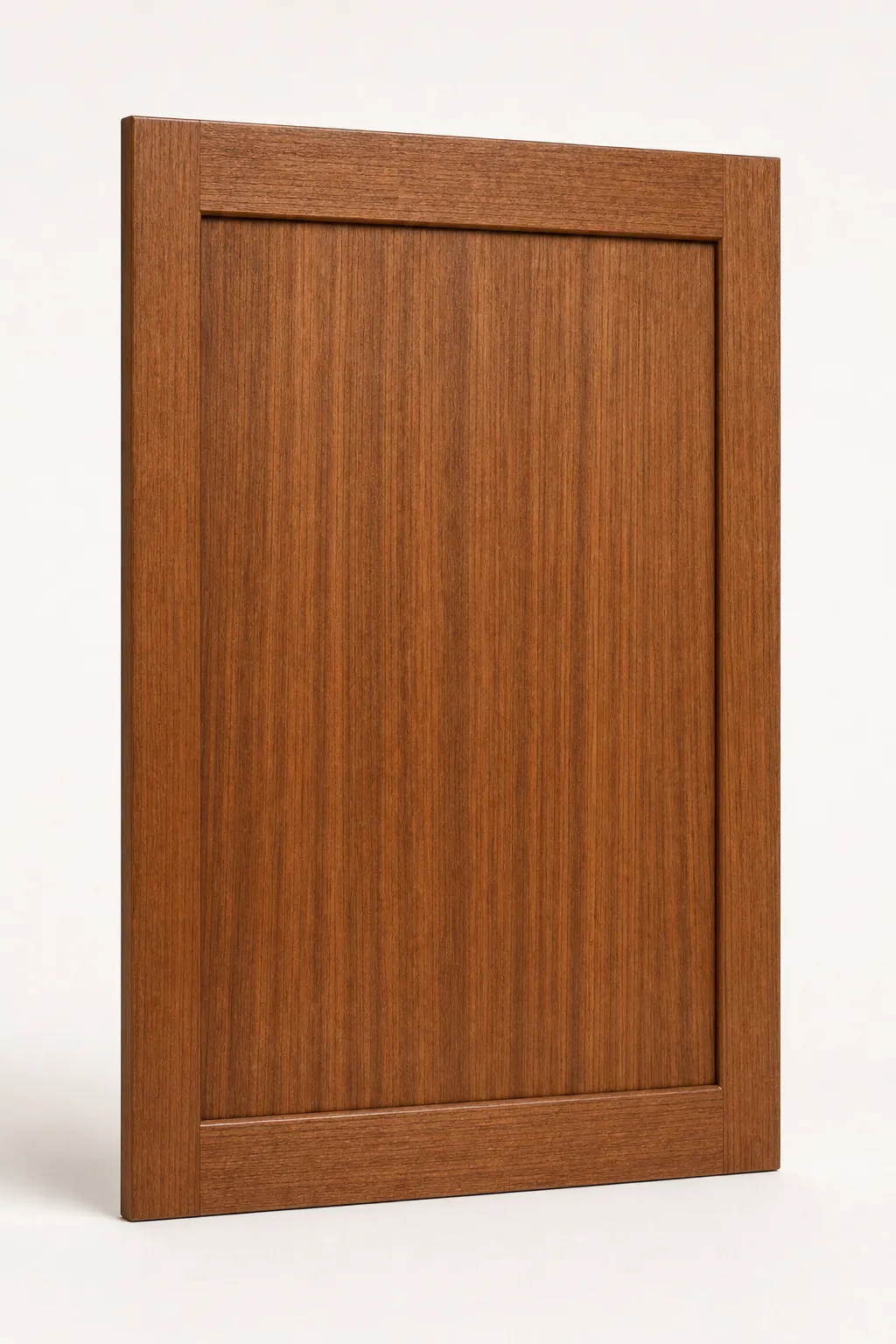
- Cabinet doors and furniture, the reason utile is milled by the container load.
- Boats and marine trim, sipo has a long history in boat building thanks to its stability.
Not sure sipo is your species? Compare it with sapele veneer for more ribbon figure, mahogany veneer for the classic genuine article, or makore veneer for a pinker, more figured cousin. Our wood veneer types guide lays out the whole family.
- Sapele veneer, the ribbon-figured cousin
- Mahogany veneer, the genuine article
- Makore veneer, pinker and more figured
---
Sustainability and sourcing
Utile is listed as Vulnerable on the IUCN Red List, so making the most of every log matters. Veneer is the answer: one board's worth of solid sipo becomes many square feet of veneer, which means a single tree stretches across far more projects than sawn lumber ever could. That is the whole idea behind WoodCycle. Thin sheets, less waste, more makers served from the same rare wood.
Available now on eBay
Every sheet below is a live WoodCycle listing. We are US-based and ship fast, usually within one business day.
Frequently asked
Is sipo the same as mahogany?
Sipo is not the genuine mahogany species, but it is a true member of the mahogany (Meliaceae) family, right next to sapele and african mahogany. It looks, stains, and finishes like mahogany, which is why it is sold as a genuine mahogany substitute.
Is sipo veneer hard to work with?
Not really. Most of it cuts and sands cleanly. The only catch is interlocked grain, which can tear out. A sharp blade and light passes solve it, and sipo is easier to work than African mahogany.
What color is sipo veneer?
A warm reddish-brown that deepens with age and light. Fresh sheets can look a little pink, then settle into a rich mahogany tone once finished.
How thick are your sipo veneer sheets?
Our sheets are raw wood veneer, roughly 0.5 mm thick, kiln dried and ready to glue down. Sold per sheet.
What is sipo good for?
Boxes, marquetry, guitars, cabinet doors, furniture, and marine trim, anywhere you want the mahogany look with a straighter grain and steady, stable behavior.
Need another species for the project?
Browse the full species library or shop live listings on eBay.