
4,700+ sold · 100% feedback · US-based
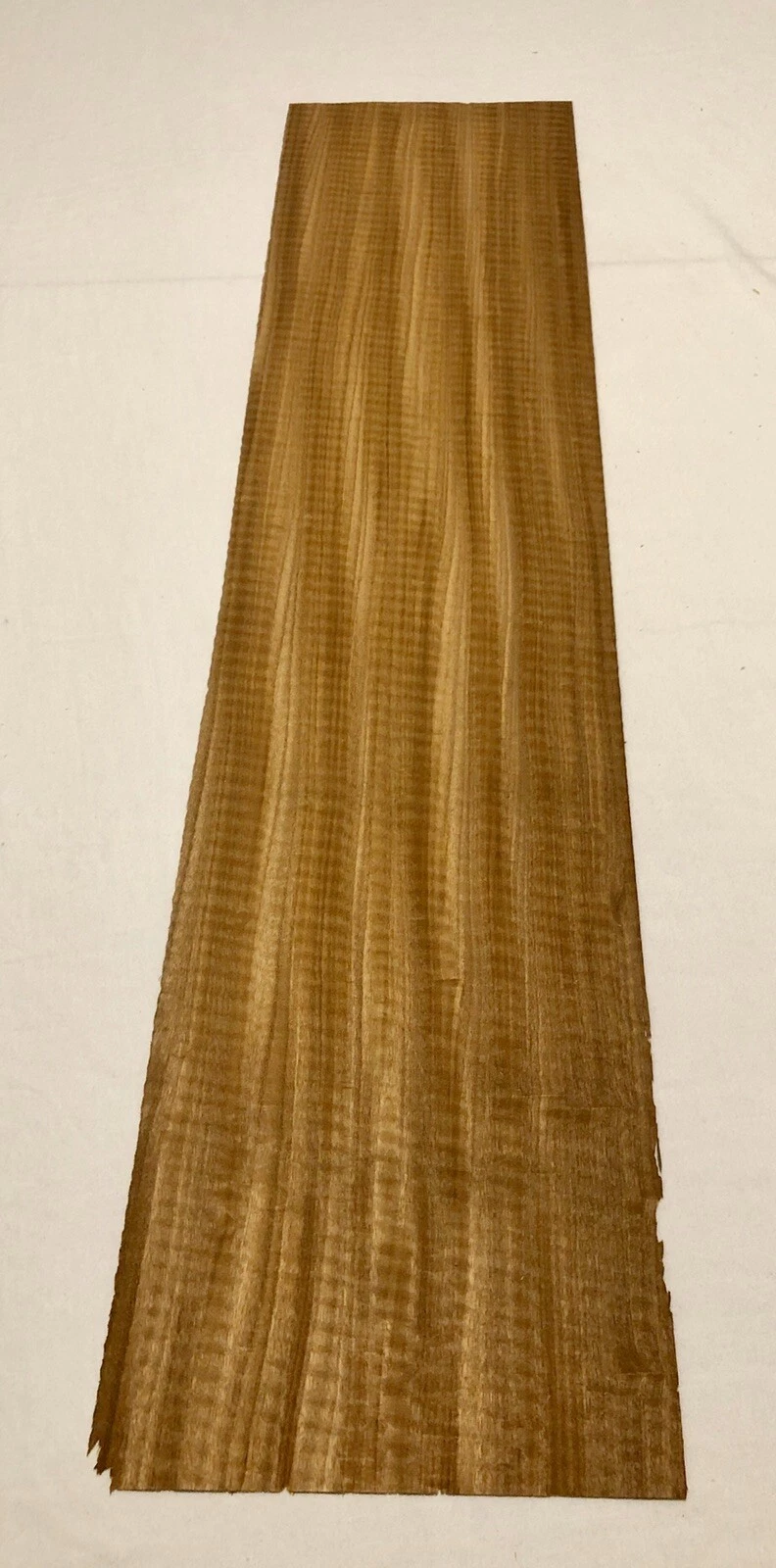
Anigre is a tropical hardwood from Africa with a calm, glowing look. Designers reach for it again and again. As a wood veneer it runs from a plain, creamy face to shimmering mottled figure. The color is a soft light yellowish brown that warms to gold as it ages. Pick it when you want brightness without a busy, bold grain.
What is anigre veneer?
Anigre (also spelled anegre or aniegre) comes from trees in the Aningeria group, now folded into the Pouteria genus. The trees grow across tropical West, Central, and East Africa. They range from Cameroon and the Congo down toward Angola and across to Kenya. This is a mainstream commercial species, not an endangered one. That means there is no CITES paperwork to worry about.
Anigre earned its place in high-end work in the 1980s and 1990s. Figured logs turned a quiet utility wood into a designer favorite. You will find anigre wood veneer lining yacht cabins, car interiors, hotel millwork, and fine cabinetry. It reads as understated and costly at the same time.
Quick facts
Color: Light yellowish brown, sometimes pinkish; golds with age
Grain / Figure: Straight to interlocked; plain to fiddleback, block mottle, broken stripe
Janka hardness: ~990 lbf (moderately hard)
Typical thickness: ~0.6 mm face veneer (raw & paper-backed)
Workability: Good; silica dulls blades, figured pieces can tear out
Sheet sizes we stock: Small, maker-friendly sheets, buy by the piece
Appearance and figure
Plain anigre is bright and even. It has a straight to lightly interlocked grain and a fine, uniform texture with a soft natural luster. The heartwood sits in that light yellowish brown range, sometimes leaning pink. There is little contrast between heartwood and sapwood, so full sheets stay consistent.
The figured pieces are why makers fall for this species. Quarter-cut logs can throw a tight fiddleback ripple, a soft block mottle, or a broken-stripe shimmer. The figure shifts as you move past it. Under raking light a mottled sheet almost glows. If you want brightness with movement, figured anigre veneer is hard to beat.
Buy on eBay →
Working and finishing tips
Anigre is moderately hard, around 990 lbf on the Janka scale, and moderately dense. That makes it pleasant to cut and press with normal veneer tools. It bends well over gentle curves. It takes stain and clear finishes cleanly. A light coat of shellac or a wipe of oil brings out the mottle.
Now the honest cautions, because a bright wood shows its flaws:
- Silica dulls blades. Anigre carries enough silica to blunt tooling faster than most temperate woods. Keep a fresh razor blade close and swap it the moment cuts start dragging, or you will crush fibers instead of slicing them.
- Figured pieces tear out. Fiddleback and mottled sheets have grain that reverses direction, so a dull knife or an aggressive sander lifts chips. Score lightly, cut with the grain where you can, and sand by hand with fine grit.
- The pale color shows glue bleed. On a light face, squeeze-out and finger smudges read as gray shadows under finish. Size your edges, keep glue thin, and handle sheets with clean hands. A quick seal coat before assembly hides a lot of sins.
None of this is a dealbreaker. Anigre works well for anyone who slows down a little and respects the figure.
Best uses
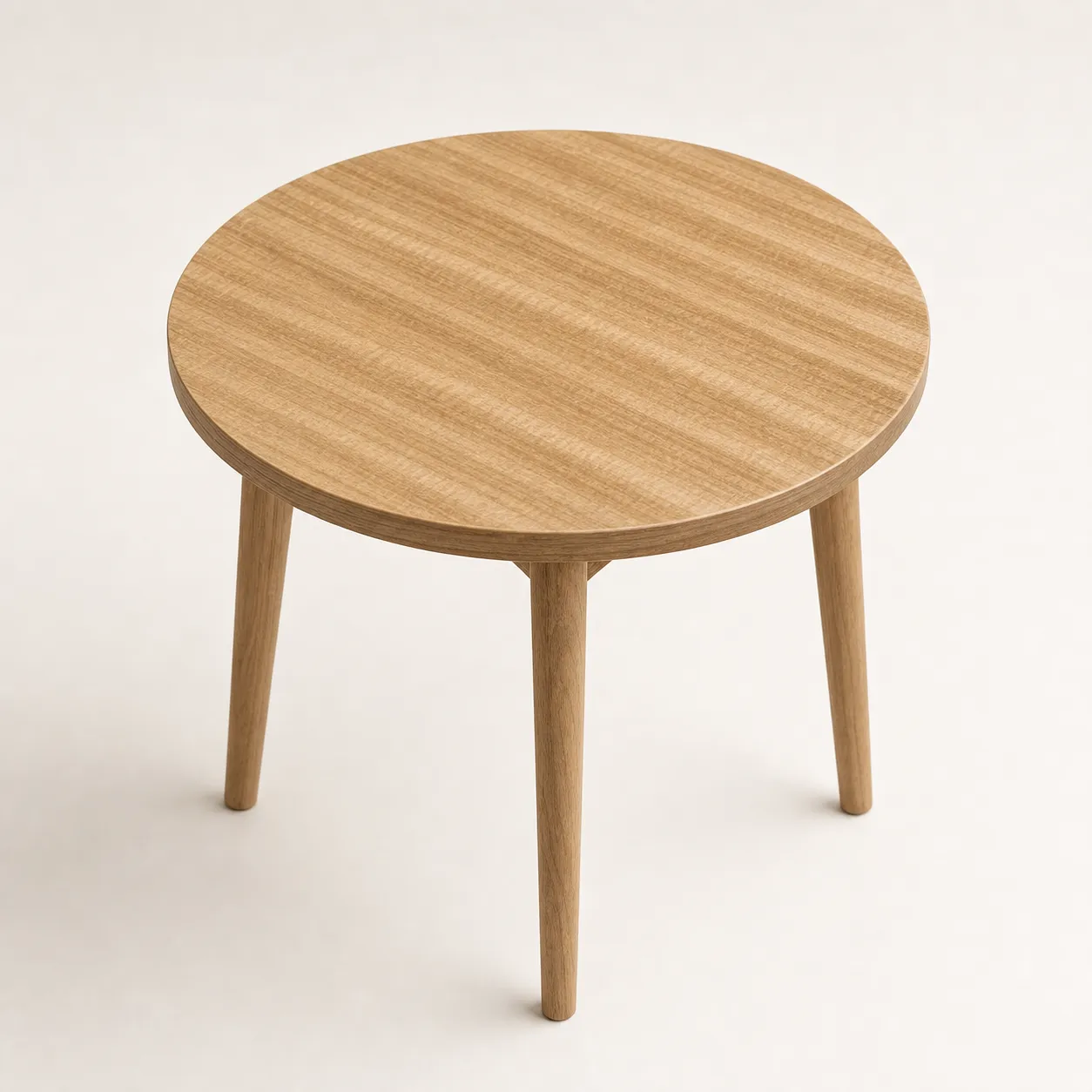
Anigre is a natural for bright, refined work: jewelry boxes, humidors, cabinet doors, drawer fronts, wall panels, and instrument accents. Its even face and fine texture make it a favorite for Veneer for Boxes & Marquetry. It also cuts crisply for Veneer for Laser & CNC engraving. The pale surface shows burn lines with real contrast.
Pair it with darker species for contrast in a marquetry panel, or let a full-sheet layup carry a whole cabinet in soft gold.
Buy on eBay →
- Makore, another African species with pinkish brown color and mottled figure.
- Figured Maple, pale wood with curly and fiddleback figure, similar brightness.
- Sipo, an African mahogany relative with ribbon stripe, for warmer contrast.
Explore the full Wood Veneer Types pillar or head to the Shop.
---
Sustainability and sourcing
Turning a log into thin veneer is one of the most efficient ways to use rare, beautiful wood. A single board yields many square feet of face, so a little timber goes a long way. That efficiency is the whole idea behind WoodCycle: less waste, more sheets, more projects from every tree. We stock anigre in small, maker-friendly sheets. You buy what your project needs, and nothing sits unused.
Available now on eBay
Every sheet below is a live WoodCycle listing. We are US-based and ship fast, usually within one business day.
Frequently asked
Is anigre veneer hard to work with?
Not really. It is moderately hard and cuts cleanly, but the silica in it dulls blades quickly and figured sheets can tear out. Sharp tools and a light touch solve both.
What color is anigre?
A light yellowish brown, sometimes with a pink tint, that warms toward golden brown over time. There is little difference between heartwood and sapwood.
Is anigre a real hardwood?
Yes. Anigre is a tropical hardwood from Africa, related to the Pouteria family, used widely in cabinetry and architectural interiors.
Does anigre take stain and finish?
It does. It accepts stain evenly and finishes with a bright, lustrous face. Keep glue thin, though, because the pale color shows any bleed.
Need another species for the project?
Browse the full species library or shop live listings on eBay.