
4,700+ sold · 100% feedback · US-based
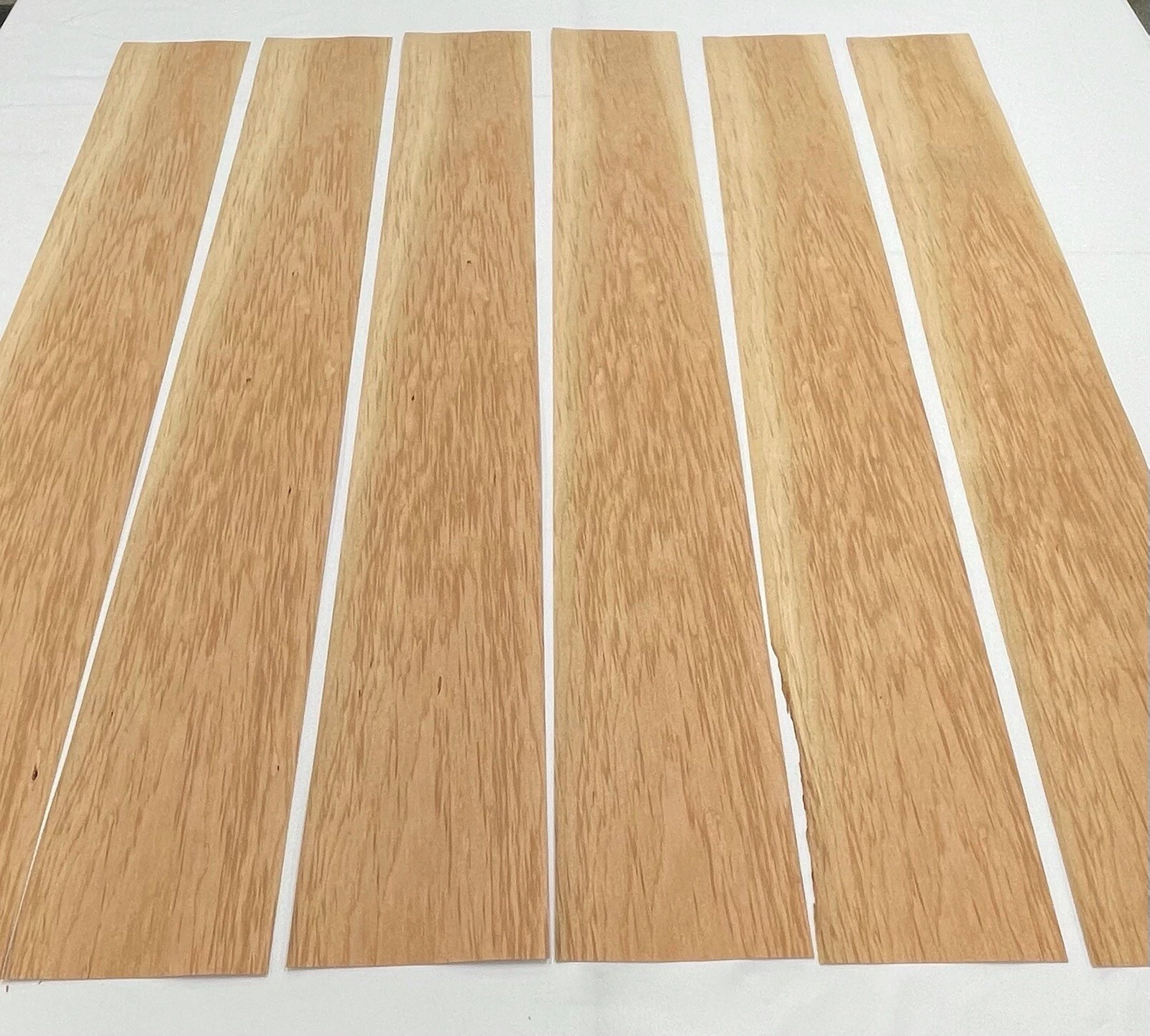
Cherry is the wood that gets better with age, literally. American black cherry starts a soft pink brown and deepens into a rich, warm reddish amber over months of light exposure, a color shift makers plan for rather than fight. If you want cherry veneer sheets with a fine, satiny grain and an easy bench manner, this is real wood veneer worth stocking.
We cut and sell cherry veneer by the square foot in small, maker-friendly sizes, so you can buy exactly what a box, an instrument, or a set of pen blanks needs.
What is cherry veneer?
Cherry veneer is a thin slice of real wood, American black cherry (Prunus serotina), a native hardwood of the eastern United States. Slicing it thin stretches one board across many sheets, so a single tree covers far more surface than the same log sawn into solid lumber. Because it is genuine wood veneer sheets, not a printed laminate, it sands, stains, and finishes exactly like the solid board it came from.
Quick facts
Origin: Eastern United States
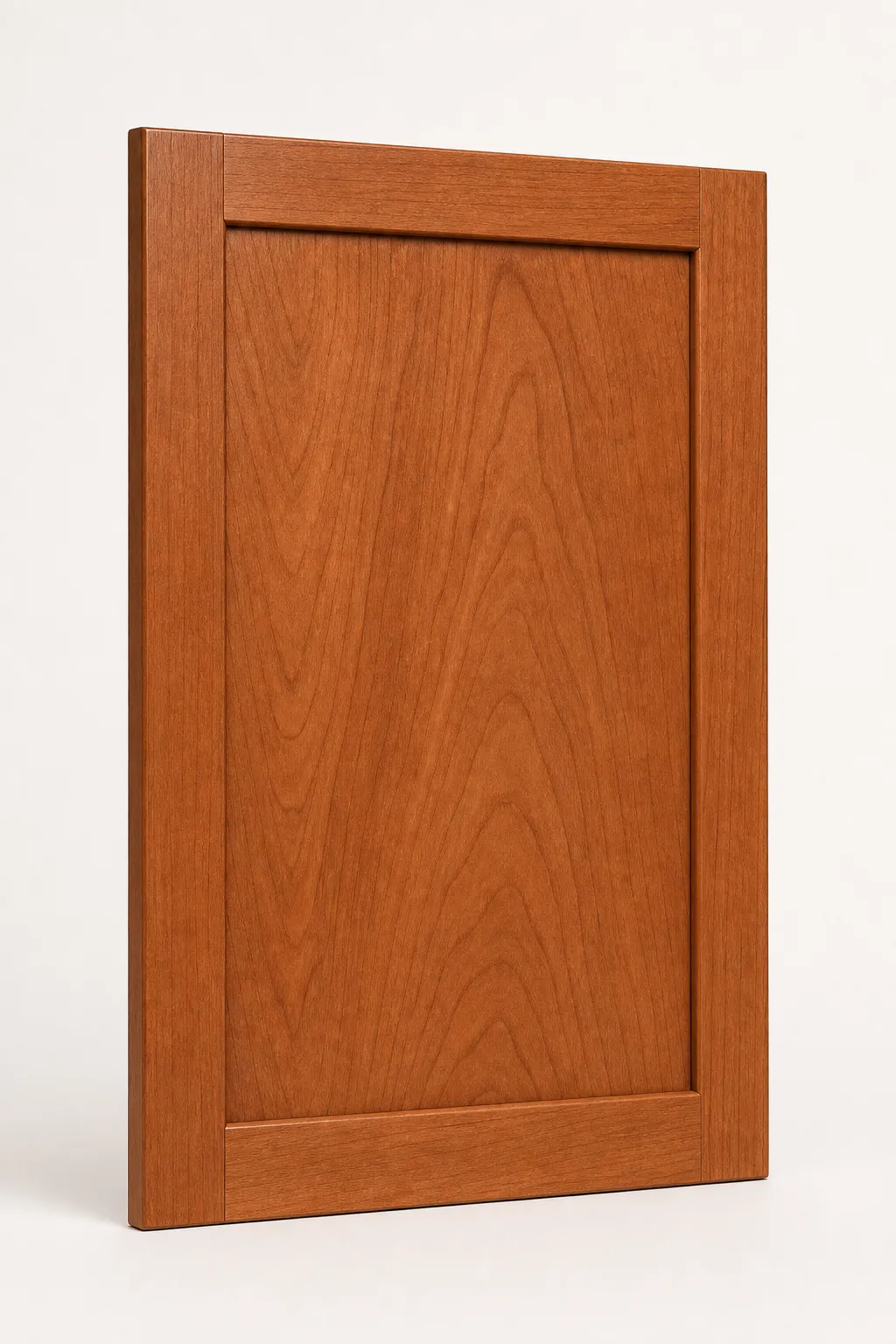
Color: Soft pink brown when fresh, ambering to a warm reddish brown with light exposure
Grain / figure: Fine, straight, and satiny; occasional gum pockets add character
Cut: Plain sliced, giving a soft cathedral figure
Janka hardness: About 950 lbf
Thickness: We stock 1/45 inch raw and thicker options
Backing: Raw, or paper backed veneer on request
Workability: Excellent, one of the easiest domestics to cut and finish
Sold: By the square foot, ready to ship
Appearance and figure
Fresh cherry reads as a light, warm pink brown, almost blond compared to walnut. Give it a few weeks under natural light and it darkens into the honeyed reddish tone furniture makers chase. The grain is fine and mostly straight, with a soft luster that takes on real depth under an oil finish. Small gum pockets and pin flecks show up occasionally. They are part of the species, not a flaw, and most makers work them into the design rather than around it.
[Buy cherry veneer on eBay →]
Working and finishing tips
Cherry is friendly on the bench. It cuts cleanly with a sharp razor knife, presses flat without fuss, and takes standard wood glue or contact cement well. Sand to about 220 grit and stop there, cherry burnishes if you push past it.
An oil or wipe on poly finish is the classic choice and lets the color deepen naturally. Many makers skip stain entirely and let light do the work.
Honest cautions.
- Color shift is the whole point, and it takes time. Fresh cherry looks noticeably paler than a finished piece a year later. Do not judge the final color from a fresh cut sheet.
- Blotching under stain. Cherry is prone to uneven stain absorption. A gel stain or dye, or simply a clear finish, gives a more even result than a standard penetrating stain.
- Gum pockets. Occasional dark streaks or small pockets of hardened gum can show up. Plan your layout around them or let them read as character.
- UV fading over decades. Like most woods, extreme sun exposure will eventually shift the color further. A UV inhibiting topcoat slows it.
Best uses
- Boxes and marquetry. Cherry's warm, even tone is a natural pair with darker accent species. See Veneer for Boxes & Marquetry.
- Guitars and instruments. A classic warm tone for tops and back and side accents. See Veneer for Guitars & Luthiers.
- Pens and knife scales. Small offcuts turn and polish beautifully. See Veneer for Pens & Knife Scales.
- Fine furniture and cabinetry. The traditional American cherry look, from Shaker style pieces to modern casework.
For a deeper, cooler brown alternative, compare our Walnut. Browse the full Wood Veneer Types pillar or head to the Shop.
Sustainability and sourcing
American black cherry is a plentiful, well managed North American hardwood. It carries no CITES listing and is rated Least Concern by the IUCN. Slicing it into veneer means one good log covers dozens of projects instead of a handful, which is the whole idea behind WoodCycle.
Available now on eBay
Every sheet below is a live WoodCycle listing. We are US-based and ship fast, usually within one business day.
Frequently asked
Does cherry veneer really change color?
Yes. It starts a soft pink brown and deepens to a warm reddish amber over weeks to months of light exposure. That aging is part of why makers love it.
Is cherry veneer easy to work with?
Yes, it is one of the friendliest domestic hardwoods to cut, glue, and finish. A sharp knife and standard wood glue or contact cement are all most projects need.
Why does my cherry look blotchy after staining?
Cherry absorbs stain unevenly. A gel stain, dye, or simply a clear oil or poly finish gives a more even result than a standard penetrating stain.
What causes the dark streaks in some sheets?
Small gum pockets are a natural part of the species. They read as character, not damage.
Where does your cherry come from?
American black cherry grown in the United States. It is not CITES listed and is rated Least Concern, a responsible, sustainable choice.
Need another species for the project?
Browse the full species library or shop live listings on eBay.