
4,700+ sold · 100% feedback · US-based
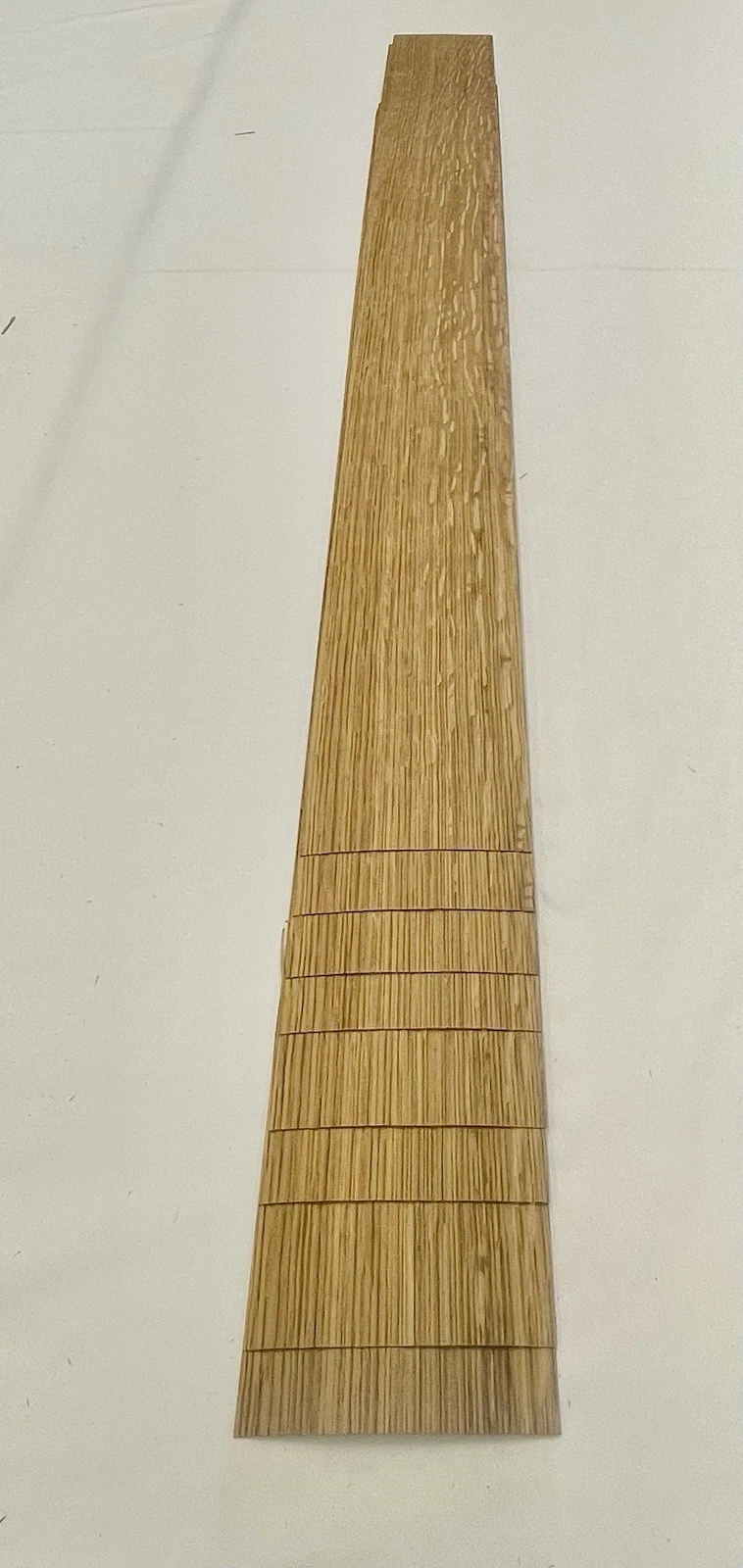
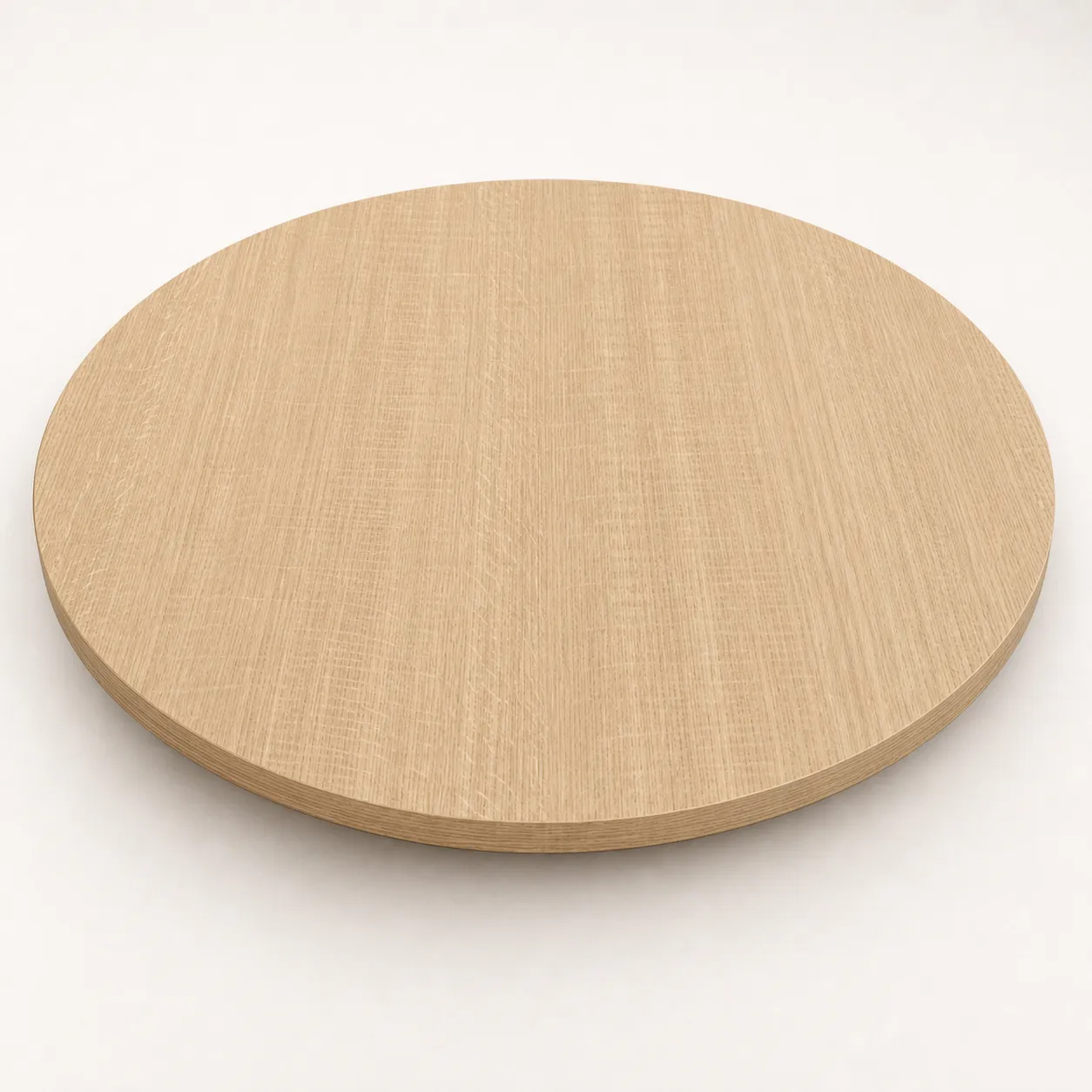
European white oak veneer comes from the oaks that have shaped clean-lined furniture and warm interiors across Europe for generations. The grain is calm, the color sits in a pale tan-to-honey range, and quartered cuts throw the kind of ray fleck that designers and woodworkers both notice immediately. If you want oak that feels timeless rather than loud, this is a strong place to start.
What is European white oak veneer?
European white oak veneer is sliced from Quercus robur and Quercus petraea, the pedunculate and sessile oaks found across Europe. It is closely related in feel to other white oaks, but the overall look is usually a little lighter, tighter, and calmer than American white oak. Veneer lets that classic face cover far more surface than solid stock would, which is why it shows up so often in modern cabinetry, furniture, and architectural panels.
Quick facts
Origin: Europe, especially France, Germany, and Eastern Europe
Color: Light tan to warm honey-brown with pale sapwood
Grain: Straight and even, with strong ray fleck on quartered cuts
Janka hardness: About 1,120 lbf
Cut: Plain, rift, and quartered cuts depending on the look you want
Sold: Thin raw veneer plus backed options depending on current stock
Appearance and figure
European white oak reads lighter and more uniform than many American white oak lots, which is a big reason it has become a staple for Scandinavian and modern furniture. Plain-sliced sheets give familiar cathedral grain. Rift cuts stay quiet and linear. Quarter cuts are where the ray fleck comes forward and gives the face that classic striped shimmer associated with Mission and Arts and Crafts work. Compared with Red Oak, the color is more neutral and less pink.
Working and finishing tips
European white oak cuts cleanly with a sharp knife or veneer saw and finishes well with oil, stain, or clear coat. Because oak is open-pored, many makers fill the grain when they want a glass-smooth surface and leave it open when they want more texture. The straight grain also makes this a predictable veneer for clean seams, laser work, and crisp joinery details.
Best uses
- Modern cabinetry and furniture. Clean, pale oak faces with a timeless look.
- Doors, panels, and wall work. Straight grain and quartered fleck both scale well.
- Boxes and marquetry. Closed-pore white oak is a good practical choice for smaller work.
- Laser and CNC veneer work. Predictable grain and strong lines help on detailed parts.
For another pale domestic option, compare it with Ash. For a darker warm companion, see Walnut or browse the full veneer library.
Sustainability
White oak is exactly the kind of species where veneer makes practical sense. A single board can become a lot of finished surface area when sliced thin, which means less waste for the same furniture face or panel look. That efficiency is the real sustainability angle WoodCycle keeps returning to.
Available now on eBay
Every sheet below is a live WoodCycle listing. We are US-based and ship fast, usually within one business day.
Frequently asked
What is the difference between European white oak and American white oak veneer?
European white oak tends to read lighter and more uniform, with tighter growth rings and a softer tone than American white oak.
Is white oak veneer more water-resistant than red oak?
Yes. White oak has tyloses that plug its pores, making it more moisture resistant than red oak.
How do I get the ray fleck figure in white oak?
Quarter-cut white oak exposes the medullary rays and gives the strong fleck figure.
Why does white oak sometimes stain blue-black?
Oak is high in tannins, and those tannins can react with iron and moisture to create dark blue-black marks.
Can I fume European white oak veneer?
Yes. European white oak responds well to fuming because its tannin content is high enough to darken under ammonia.
Need another oak or domestic species?
Browse the full species library or shop live listings on eBay.