
4,700+ sold · 100% feedback · US-based
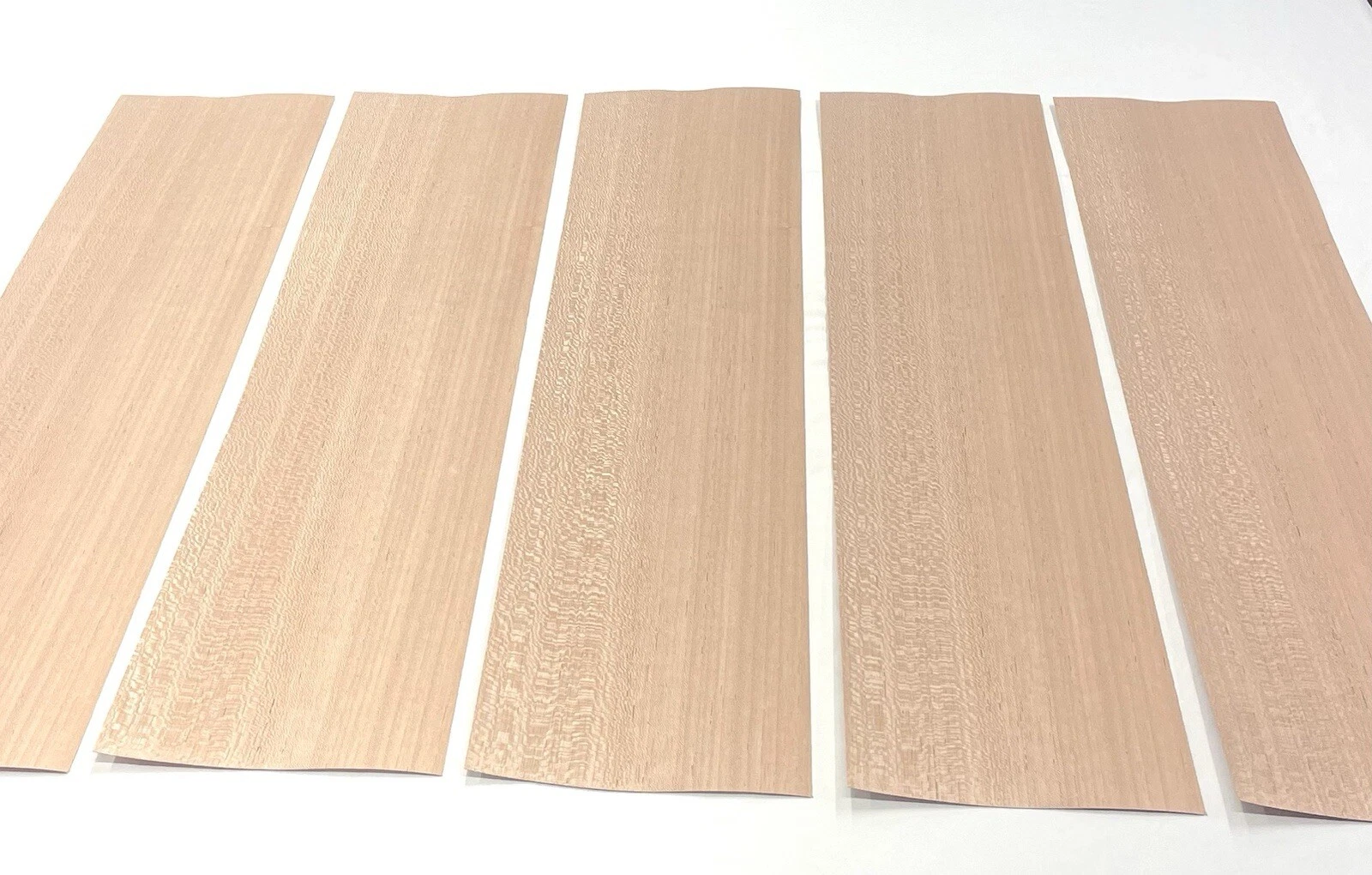
Lacewood is a showpiece species, prized for a fleck figure that looks like lace or a leopard's spots spread across a warm pinkish tan ground. If you want lacewood veneer sheets for a statement panel or a box lid that stops people in their tracks, this is genuine wood veneer worth stocking.
We cut and sell lacewood veneer by the square foot in small, maker-friendly sizes.
What is lacewood veneer?
Lacewood veneer is a thin slice of real wood, quarter sliced to bring out the ray fleck figure that gives the species its name. Slicing it thin stretches one tree across many sheets, so a single log covers far more surface than the same wood sawn into solid boards. Because it is genuine wood veneer, not a printed laminate, it sands, stains, and finishes exactly like the solid board it came from.
Quick facts
Origin: Australia
Color: Pinkish tan to reddish brown background
Grain / figure: Distinctive ray fleck pattern resembling lace or leopard spots on quarter sliced faces
Cut: Quarter sliced, essential for the fleck figure
Janka hardness: About 1,200 lbf
Thickness: We stock 1/45 inch raw and thicker options
Backing: Raw, or paper backed veneer on request
Workability: Good, though the fleck areas can be slightly brittle
Sold: By the square foot, ready to ship
Appearance and figure
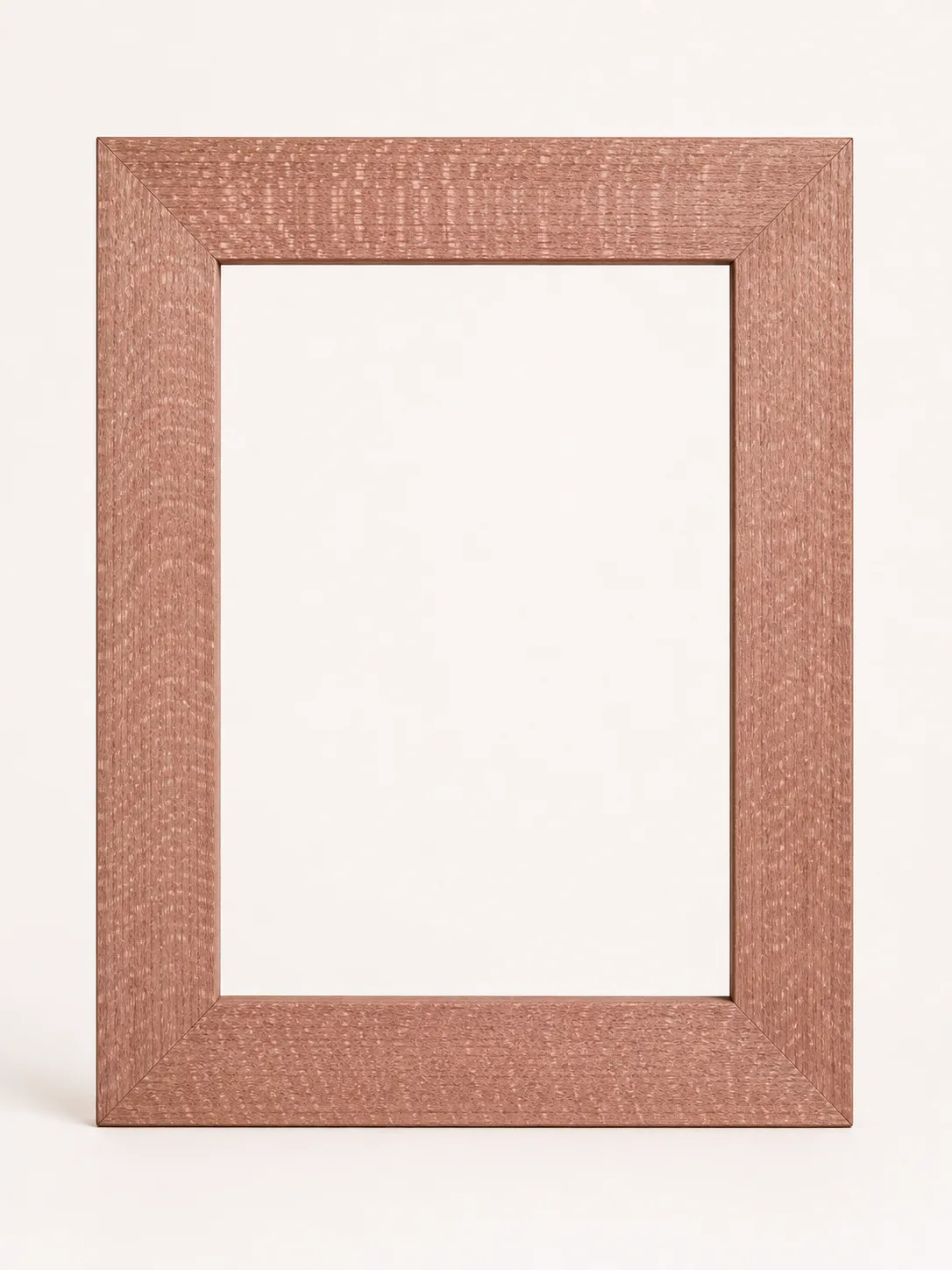
The fleck figure is everything with lacewood. Quarter slicing exposes ray cells running through the wood, and they catch the light in small oval clusters that read as lace or scattered leopard spots depending on the angle you view them from. Background color runs a warm pinkish tan to reddish brown. No two sheets lay out the fleck pattern quite the same way, which is part of the appeal for a one of a kind panel.
[Buy lacewood veneer on eBay →]
Working and finishing tips
Lacewood cuts and presses like most figured veneers: a sharp razor knife, standard wood glue or contact cement, and a light touch through the fleck areas. Sand gently, the fleck can be slightly more brittle than the surrounding grain and can chip if pushed too hard.
A clear oil or lacquer finish is the standard choice, it lets the fleck figure pop without muddying the pinkish background tone.
Honest cautions.
- Fleck areas are more brittle. Sand and cut with a light hand around the ray fleck, it is more prone to chipping than the surrounding straight grain.
- Quarter slicing means less flexibility in layout. The figure only shows fully on quarter sliced faces, so plan your project around the sheet's natural orientation.
- Color can vary sheet to sheet. Because the figure is so individual, expect some natural variation between sheets from different logs.
Best uses
- Statement panels and box lids. The fleck figure is the star, best used where it can be seen uninterrupted.
- Marquetry and inlay. A striking centerpiece species for a picture or pattern. See Veneer for Boxes & Marquetry.
- Furniture accents. Small doses go a long way given how graphic the figure reads.
For another highly figured accent species, compare our Ziricote. Browse the full Wood Veneer Types pillar or head to the Shop.
Sustainability and sourcing
Lacewood is not CITES listed. As with all our exotic species, we favor suppliers who source from established, responsibly managed forests rather than uncontrolled harvest. Veneer is the efficient way to use a striking, individually figured tree: one log yields far more finished surface than the same wood cut into solid boards.
Available now on eBay
Every sheet below is a live WoodCycle listing. We are US-based and ship fast, usually within one business day.
Frequently asked
What makes lacewood look different from other figured veneers?
Its ray fleck figure, exposed by quarter slicing, creates a lace or leopard spot pattern that is unique to this species.
Is lacewood veneer fragile?
The fleck areas are somewhat more brittle than plain grain, so gentle sanding and light cuts are recommended, but the sheets handle normally otherwise.
What finish works best on lacewood?
A clear oil or lacquer finish lets the fleck figure and pinkish tan background show through clearly.
Why does the figure vary between sheets?
Ray fleck pattern is naturally individual to each tree and cut, so no two sheets lay out exactly the same.
Where does your lacewood come from?
Australian lacewood, sourced through established veneer suppliers. It is not CITES listed.
Need another species for the project?
Browse the full species library or shop live listings on eBay.